So this site is a step-by-step path from your first one mile hike all the way to the top of Mount Everest. Every stage says what to do next, how to train for it, and the gear to get.
Start at stage 1 See all nine stagesHi, I'm Lance. I made Everest Buddy for anyone who looks at a big mountain and wonders how people actually get from the couch to the top. It works like a personal trainer's plan, with clear stages in order, so you always know the next step and whether you're ready for it.
And you can go as far along the path as you want. Plenty of people stop at overnight hikes or the highest peak in their state, and that's a real finish, not a failure to keep going.
Keep in mind that mountains get more dangerous the higher you go. Altitude, glaciers and Everest itself carry a real risk of injury and death, so every guide states the risks plainly and lists its sources at the bottom. The guides give general information, not medical advice, so see a doctor before a new training plan or a trip to high altitude.
You can read about Everest Buddy and how the guides are made, or email me at contact@everestbuddy.com.
Each stage builds on the one before it. The step-by-step guide to starting from zero covers every stage in detail, with what to do, train and own before you move on.
A short, flat loop on a marked trail, in shoes you already own. Stage 1 in the step-by-step guide.
About 5 miles with a few hundred feet of climbing. This is where your shoes start to matter, so read hiking boots vs hiking shoes vs trail runners and how to stop heel blisters.
About 10 miles with real climbing and a loaded daypack. Sore knees on the way down are common here, so read why your knees hurt going downhill.
Long climbing days first, then time at altitude. Read why you get out of breath uphill, how to build up to big elevation days and altitude sickness.
One night out, then two, with a heavier pack. Staying warm after dark comes down to how you layer your clothes. Stage 5 in the step-by-step guide.
A summit with no rope and no crampons in summer. Stage 6 in the step-by-step guide.
A course in crampons, ice axe and rope work. Stage 7 in the step-by-step guide covers what courses cost and whether to join a club first.
Mount Rainier, then Kilimanjaro and beyond, usually with a guide company. Read Kilimanjaro vs Everest Base Camp to choose a first big trip.
The far end of the path. Read what it costs to climb Everest in 2026.
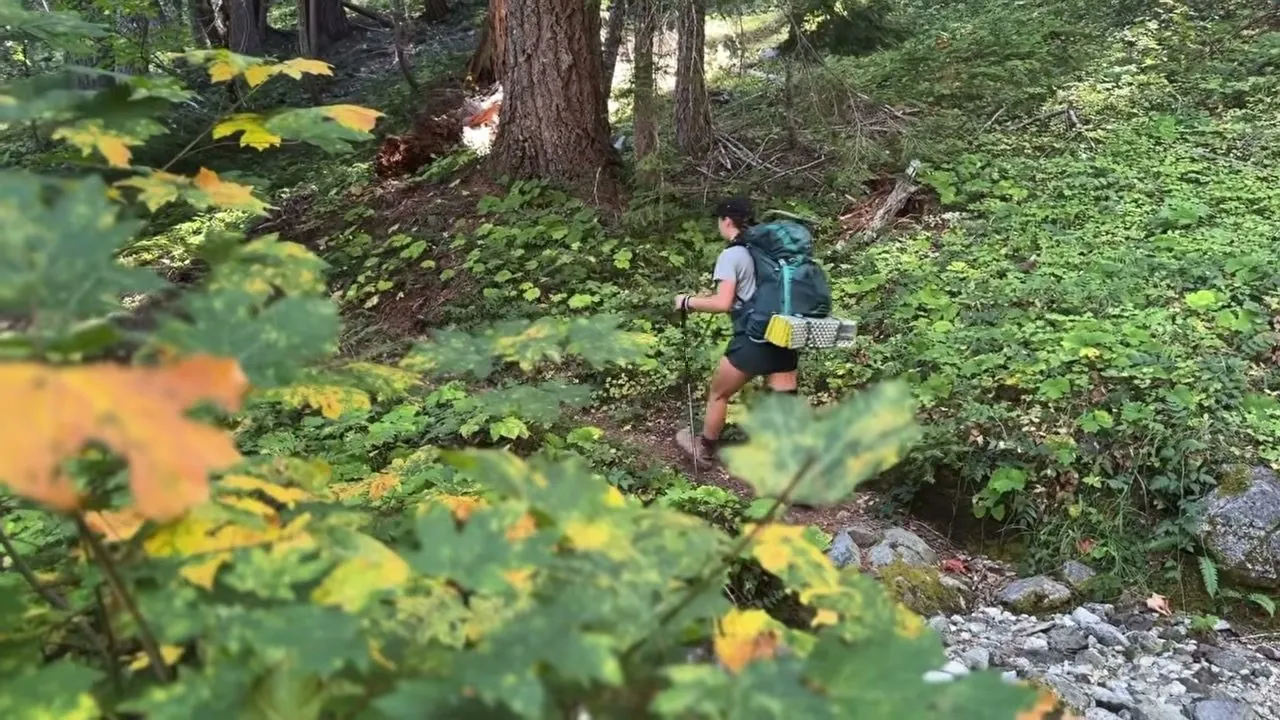
For anyone who can hike 5 to 8 miles and wants days with 3,000 to 5,000 feet of climbing, without getting hurt or burned out.
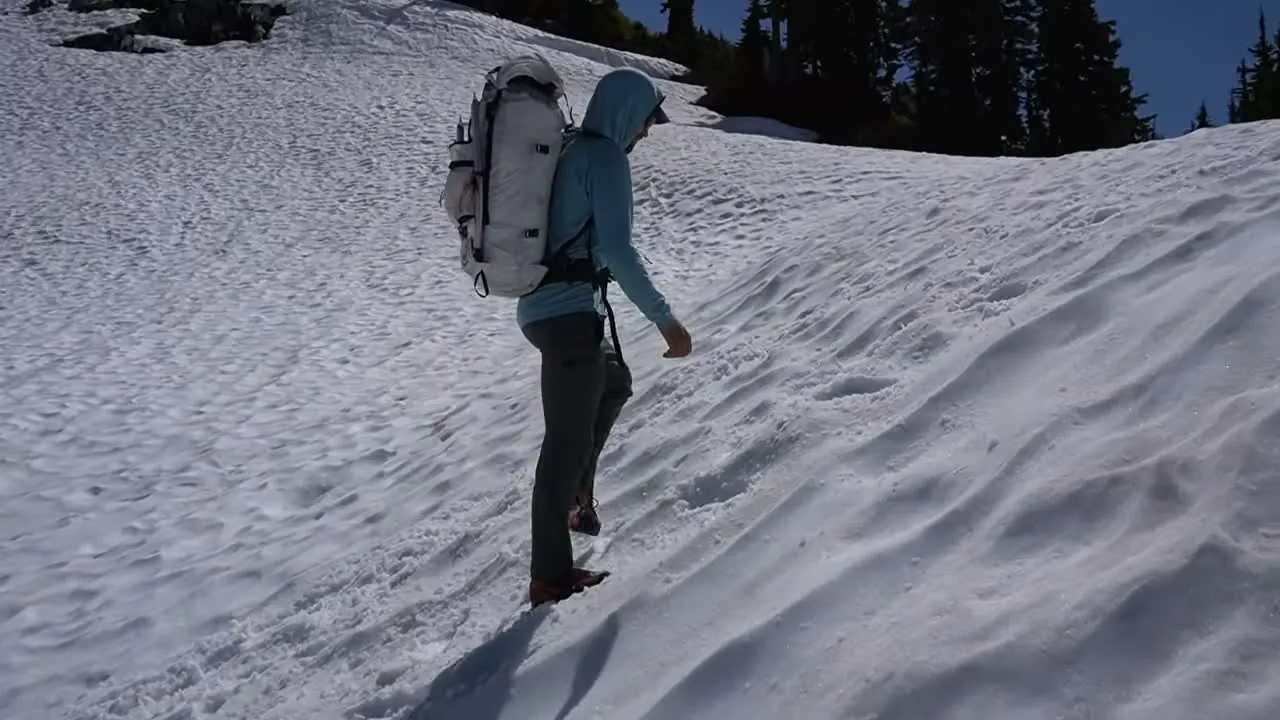
For anyone who gets winded on the first hill, feels like the slowest person in the group, and wants a plain way forward.
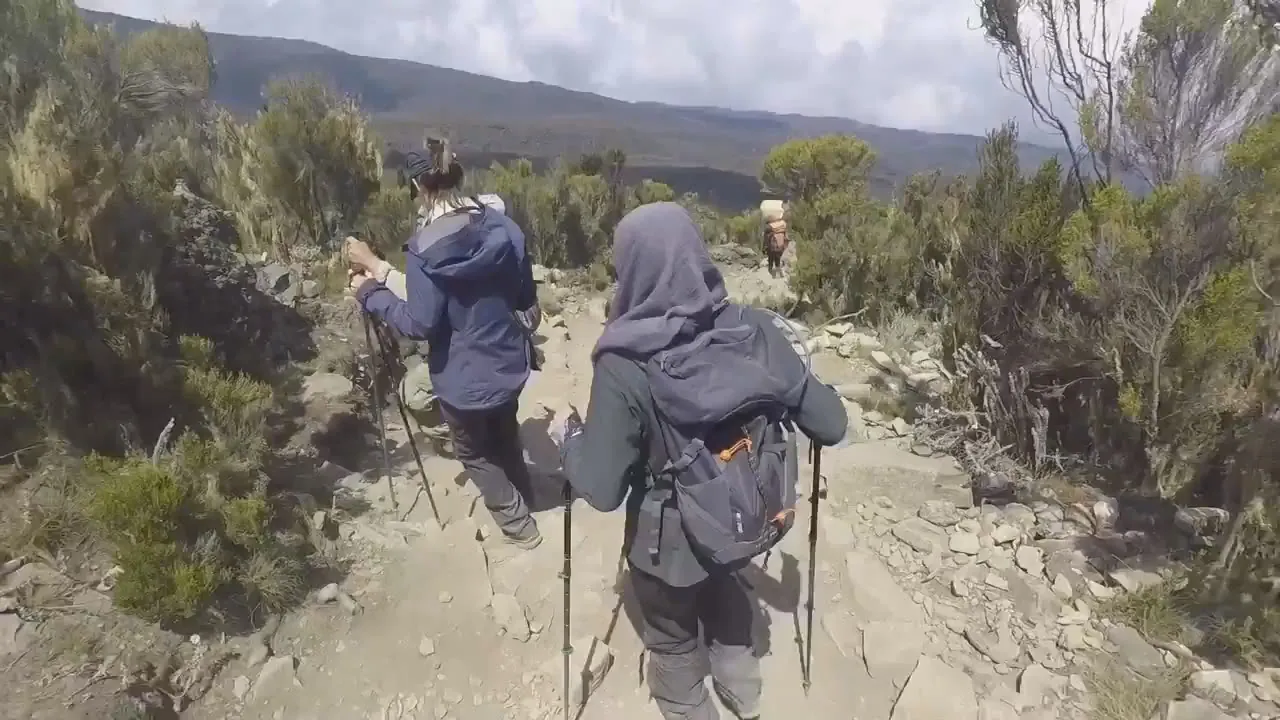
A plain guide for Kilimanjaro, Everest Base Camp and any trek that sleeps above 2,500 m (8,200 ft).
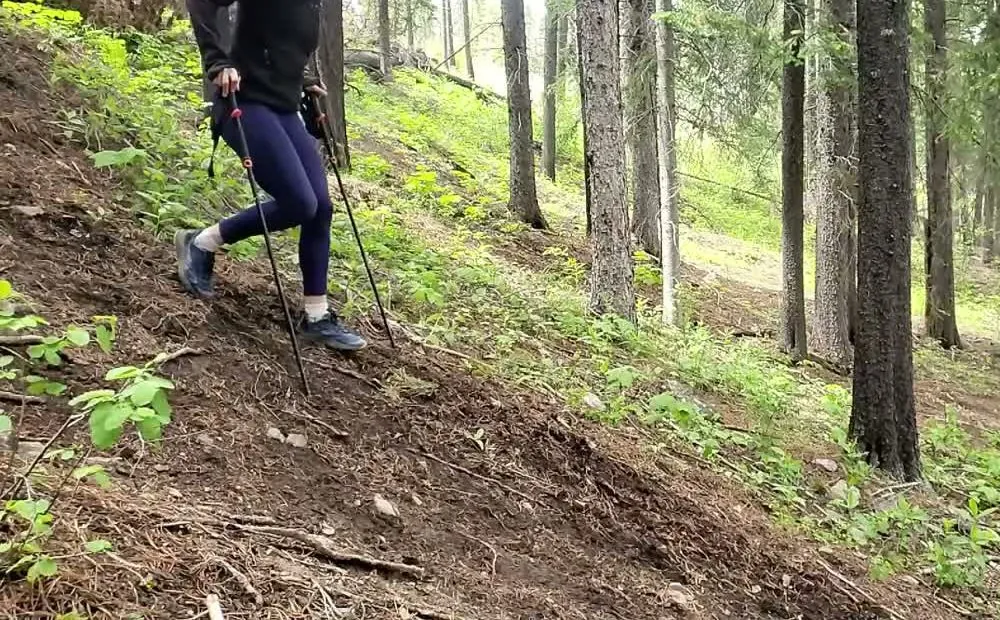
A plain guide for hikers whose knees ache on the way down, with what medical sources say and when to see a doctor.
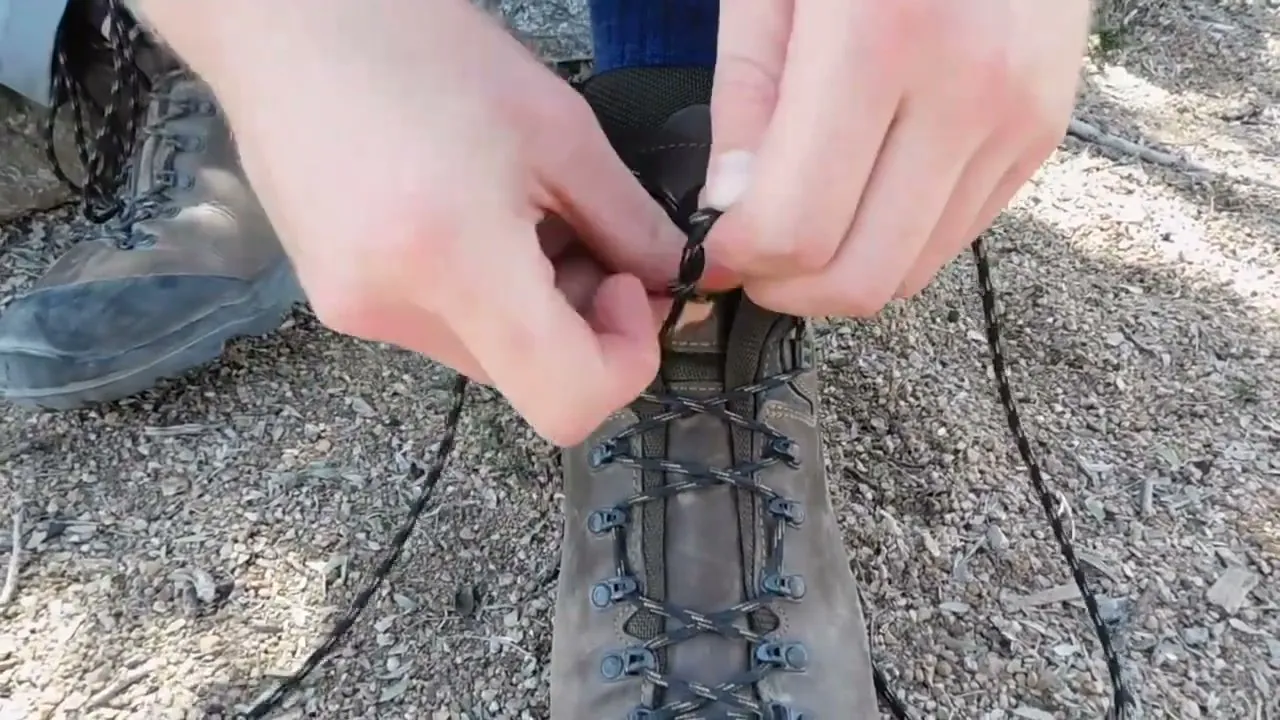
Why heel blisters form, what actually helps, what to do on the trail, and when a blister needs a doctor.
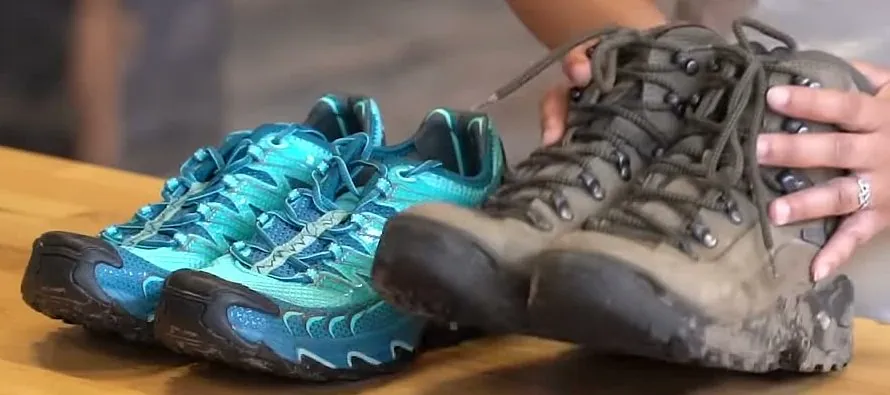
A straight answer for anyone standing in the shoe aisle wondering if sneakers are fine or if they need to spend $150 on boots.
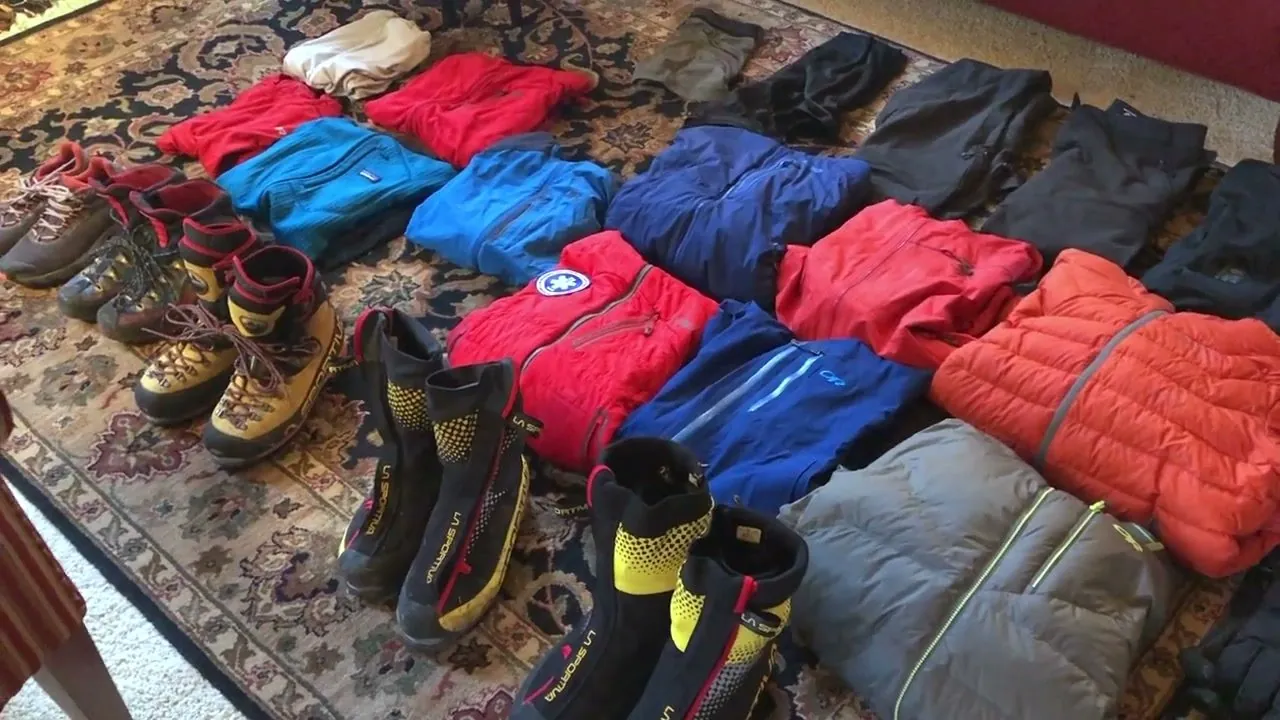
What each layer does, what to wear first, and when an upgrade is worth the money.
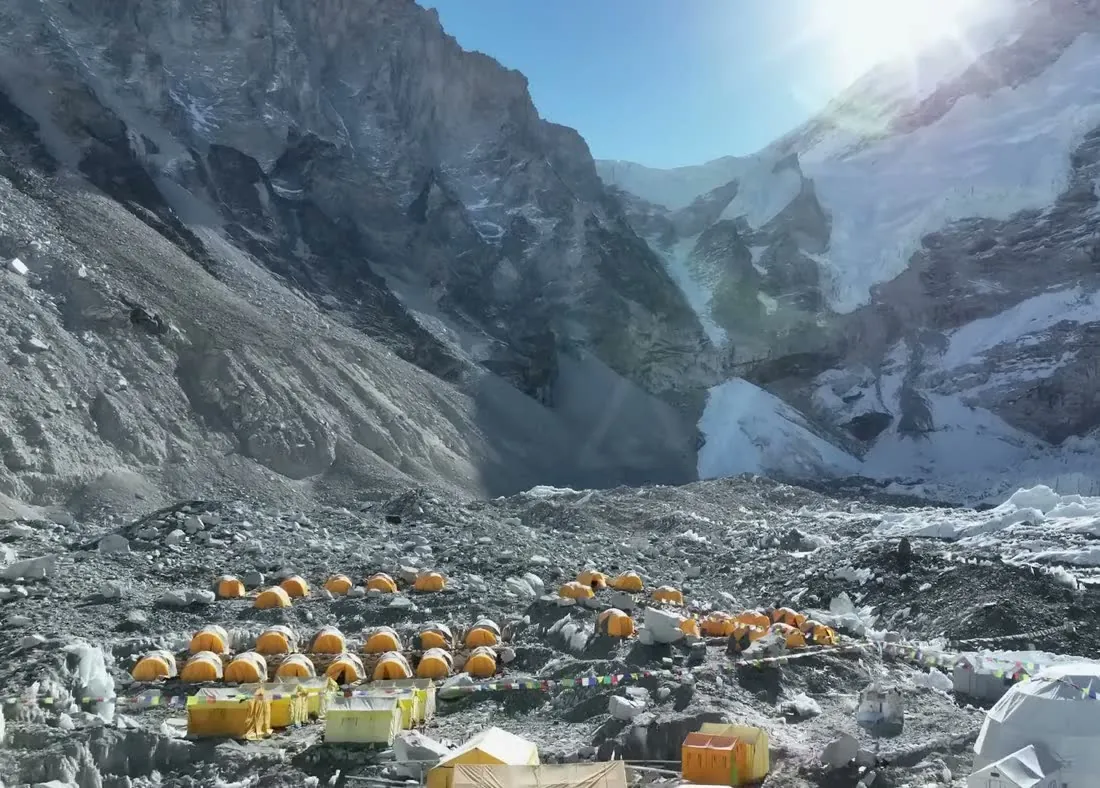
Nepal's government fee, six companies' own prices, the costs the trip fee leaves out, and a budget you can redo with your own numbers.
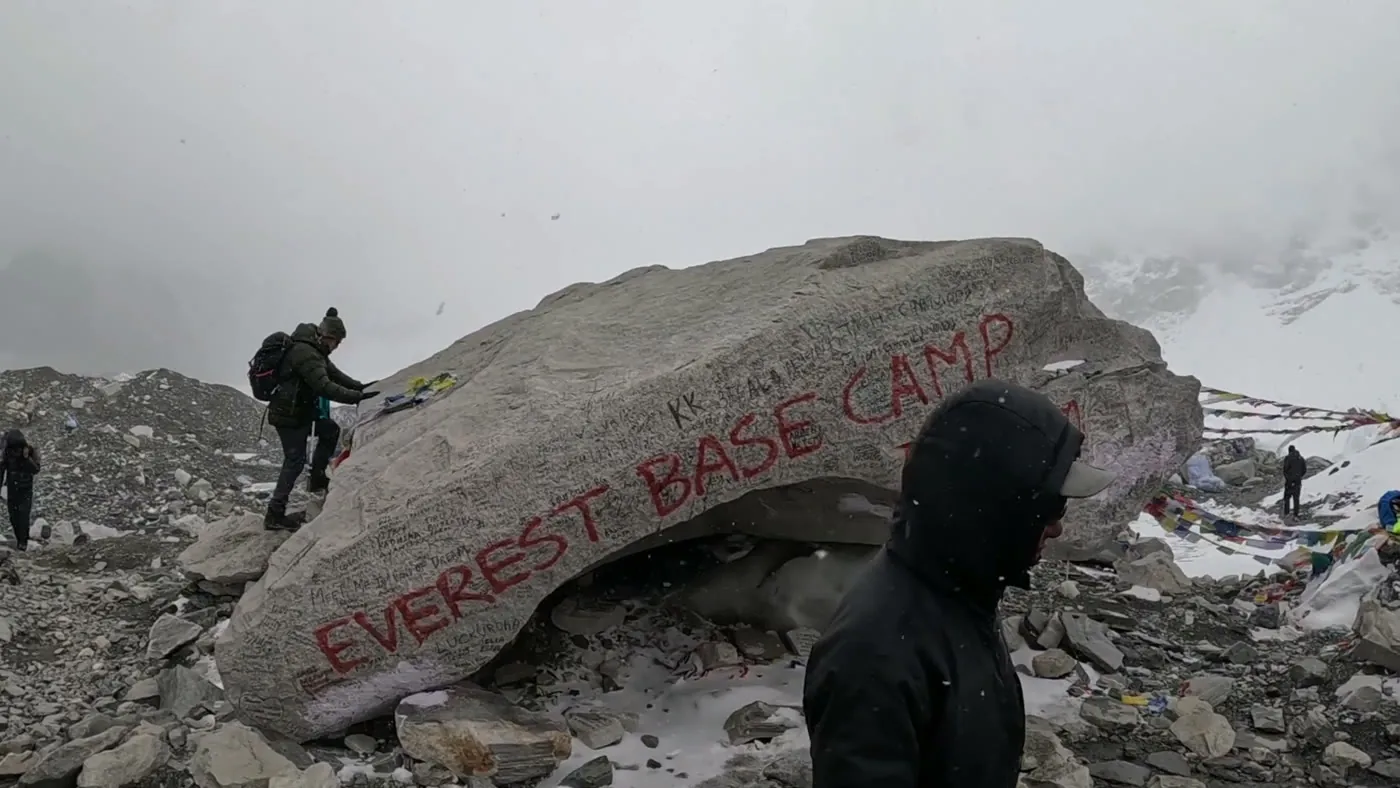
A plain comparison for someone choosing a first big trip, with the same facts for both side by side.

